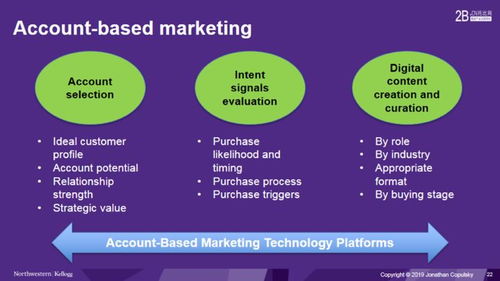
In today's hyper-connected economy, U.S. B2B companies are no longer simply selling products or services; they are architecting comprehensive digital ecosystems to deliver unprecedented value to their customers. This transformation is powered by a strategic deployment of digital technologies, shifting the paradigm from transactional relationships to value-driven partnerships. The journey of value creation unfolds across several key dimensions.
1. Hyper-Personalization and Predictive Engagement
Leveraging data analytics, AI, and machine learning, forward-thinking B2B firms move beyond basic account management. They analyze vast datasets—from usage patterns and transaction history to market signals—to anticipate customer needs. This enables hyper-personalized offerings, predictive maintenance alerts, and tailored content recommendations. A manufacturer of industrial components, for instance, might use IoT sensor data from a client's machinery to predict a part failure and automatically ship a replacement before downtime occurs, creating immense operational value.
2. Seamless Omnichannel Experiences and Self-Service Empowerment
Modern B2B buyers, influenced by B2C experiences, demand convenience and immediacy. Companies invest in integrated digital platforms—robust e-commerce portals, supplier marketplaces, mobile apps, and AI-powered chatbots—that provide a consistent, 24/7 experience. These platforms empower procurement teams with self-service capabilities for ordering, tracking, and accessing rich product information, drastically reducing friction and administrative overhead. Value is created through time savings, enhanced transparency, and improved efficiency in the procurement lifecycle.
3. Operational Integration and Ecosystem Connectivity
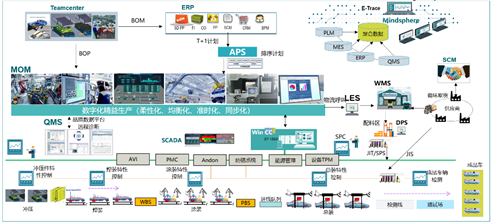
The highest tier of value creation lies in deep digital integration. Through APIs (Application Programming Interfaces), cloud-based platforms, and EDI (Electronic Data Interchange), companies seamlessly connect their systems with those of their customers. This enables real-time inventory visibility, automated replenishment, synchronized production schedules, and streamlined invoicing and payments. By embedding themselves into the customer's operational workflow, the vendor becomes a vital component of the customer's efficiency and resilience, creating value that is systemic and difficult to replicate.
4. Data-Driven Insights and Co-Innovation
Digital technologies transform data into a strategic asset shared for mutual benefit. B2B providers aggregate and anonymize data across their customer base to deliver benchmark reports, market intelligence, and insights that individual customers could not generate alone. Furthermore, collaborative digital tools—from shared design platforms to virtual reality prototyping—facilitate co-innovation. Customers can directly contribute to the R&D process, ensuring new products and solutions are precisely aligned with their evolving challenges, thereby creating value through innovation and strategic foresight.
5. Outcome-Based Models and Value-as-a-Service
Digital enablement allows a shift from selling physical assets or software licenses to selling guaranteed outcomes. With technologies like IoT for monitoring and AI for optimization, companies can offer "as-a-service" models—such as Equipment-as-a-Service or Solution-as-a-Service. The customer pays for the result (e.g., uptime, output volume, energy savings) rather than the hardware. This aligns the vendor's incentives directly with the customer's success, creating profound value through risk reduction, capital expenditure (CapEx) to operational expenditure (OpEx) conversion, and performance assurance.
The Core Enablers: A Strategic Foundation
This value creation is underpinned by critical technological pillars:
- Cloud Computing: Provides the scalable, flexible infrastructure for all other services.
- Artificial Intelligence & Machine Learning: Powers analytics, automation, and predictive capabilities.
- Internet of Things (IoT): Connects physical assets to the digital world for monitoring and control.
- Advanced Analytics: Turns raw data into actionable intelligence.
- Cybersecurity: The essential foundation for building trust in digital partnerships and protecting shared data.
In conclusion, U.S. B2B companies are leveraging digital technologies not as isolated tools, but as interconnected capabilities to build smarter, more responsive, and deeply integrated relationships. The value delivered evolves from product features to operational efficiency, strategic insight, and ultimately, shared business success. The winners in the new digital B2B landscape will be those who master the art of using technology to become indispensable partners in their customers' value chains.